The Secret of Somatotropic Growth Hormone: How It Helps Our Brain and How to Activate It Naturally
There is a strange stereotype that has settled far too firmly in the minds of even educated people: growth hormone is something about children, adolescence, growing up.
And then, as if the topic is closed.
But that is a convenient simplification. And, as often happens, a very inaccurate one.
Because somatotropic growth hormone is about how fully the brain is actually able to live, recover, handle pressure, maintain clarity, and not fall apart ahead of time.
When people talk about growth hormone superficially, the conversation almost always gets reduced to appearance, sport, anti-aging, and sometimes dangerous manipulation.
But somehow the brain disappears from these conversations, even though it is especially sensitive to the quality of internal regulation, energy, recovery, and the ability of cells not just to exist, but to work at a high level.
And this is where we move beyond a popular myth and into a serious conversation.
Because growth hormone is not some secondary hormonal detail. It is one of the factors through which the body decides whether the brain will operate in resource mode or in slow depletion mode.
So, what is GH, how does it help the brain, and what should you do? That is what this article is about.

In the publication about the 4 keys to a healthy brain, I explained which two areas of research helped shape these keys.
The first area — mitochondrial health in neurons — is covered in detail in a separate article.
Today, it is growth hormone, or GH.
Somatotropic Growth Hormone Is Synthesized in the Anterior Part of the Pituitary Gland
A small gland in the brain that controls the production of various hormones.
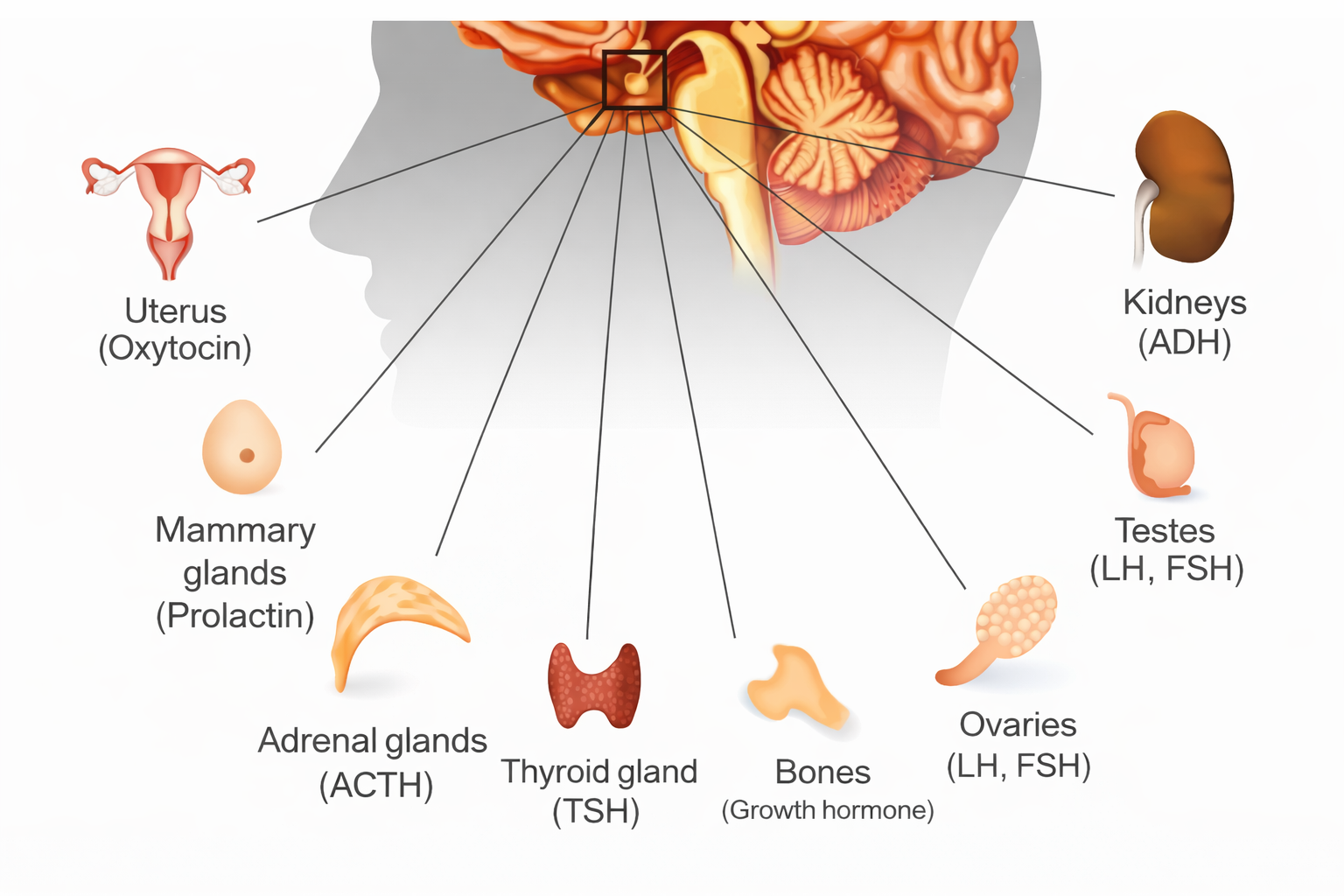
Traditionally, GH is associated with the regulation of physical growth, especially bones, as well as muscle mass and metabolism.
But newer research shows that GH plays one of the main roles in the CNS, the central nervous system, and may be a key factor in the prevention and treatment of neurodegenerative diseases.
What miracles does GH perform, and how can we help it perform them? Let’s find out.
There Is a Trick Here
GH does not affect the brain directly. It works through a partner.
This partner’s call sign is “IGF-1.”
It stands for insulin-like growth factor 1.
It is a protein hormone produced in the liver in response to a “request” from growth hormone.
To simplify: growth hormone tells the liver, “We need IGF-1. Start production.”

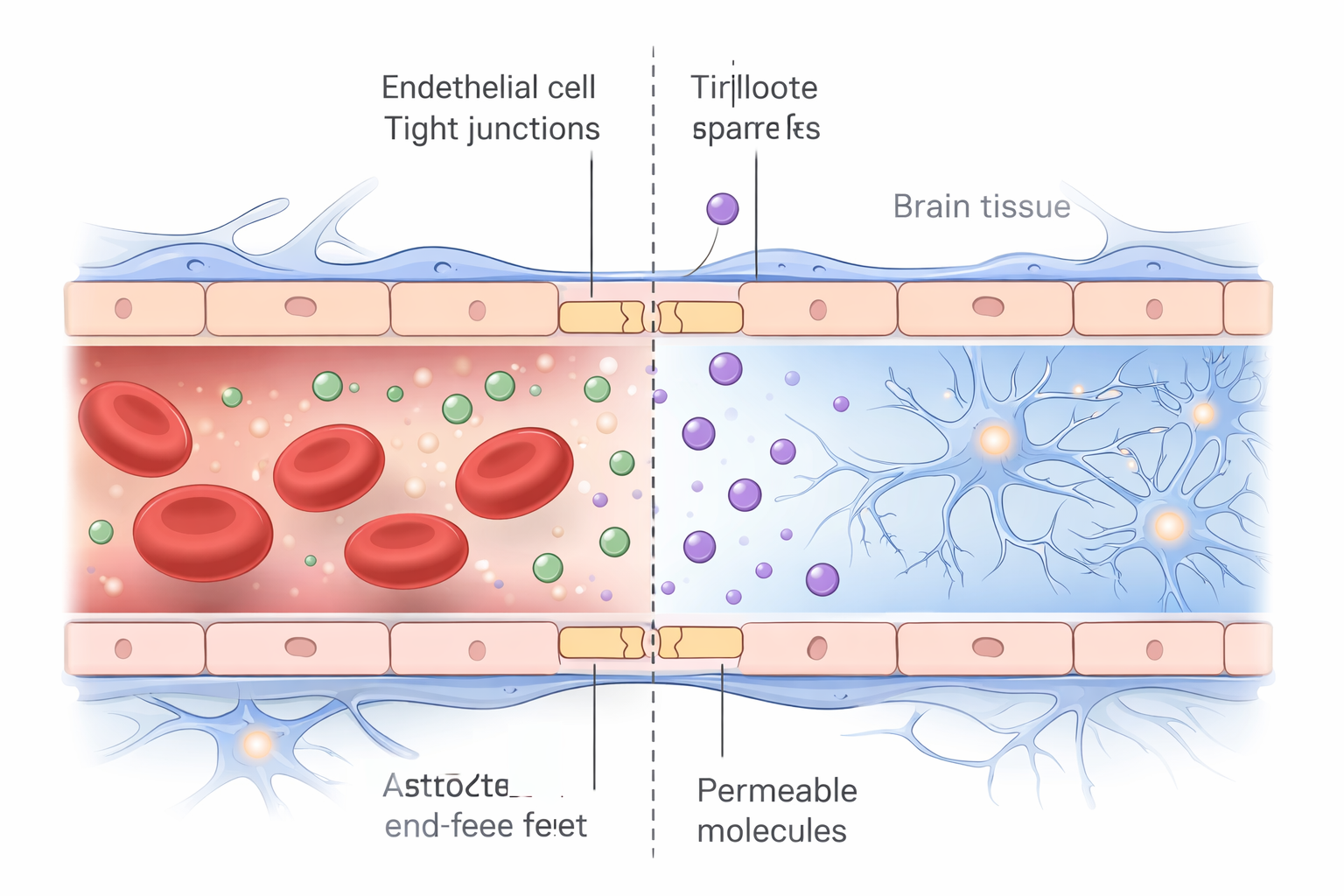
After production, IGF-1 enters the bloodstream and, crossing the blood-brain barrier, or BBB, makes its way into the brain.
The BBB is like a border checkpoint that prevents unwanted foreign agents from entering the brain.
IGF-1 is always one of our own here, with a special pass and a green corridor.
After GH Stimulates the Liver to Produce IGF-1, IGF-1 Heads to the Brain to Do Three Useful Things
1. Neurogenesis
One of its key functions.
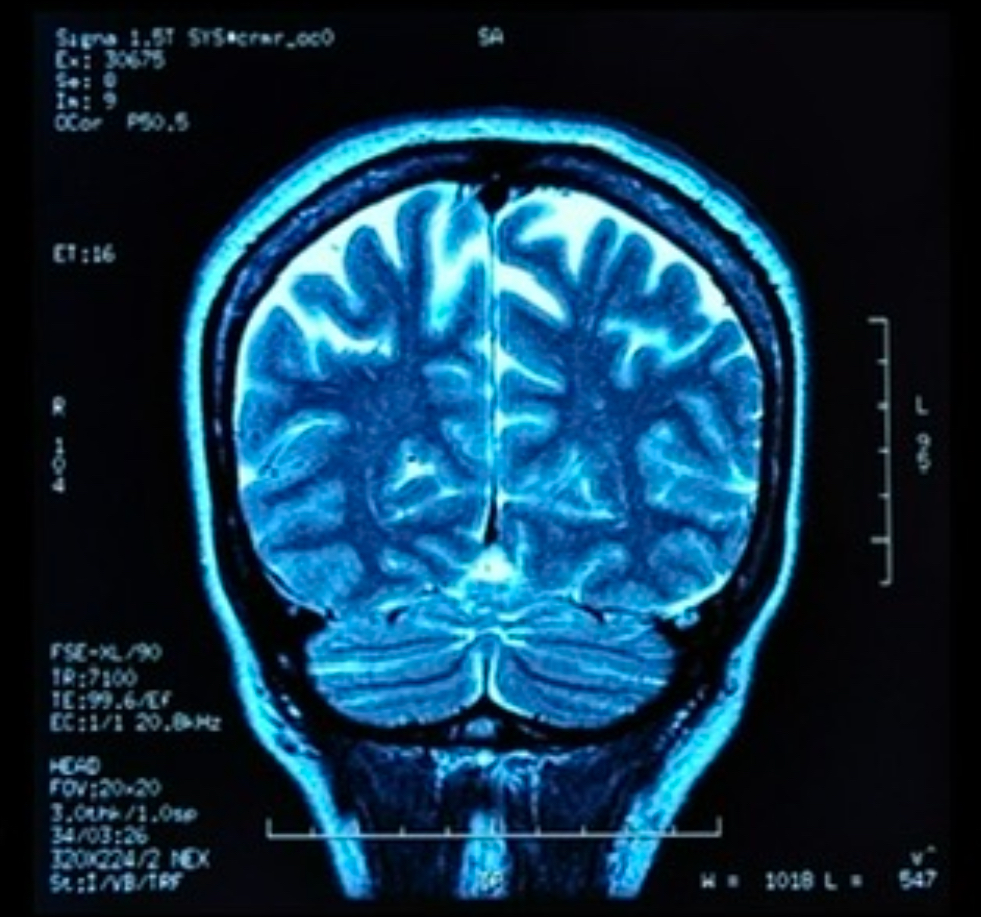
IGF-1 in the brain stimulates neurogenesis.
Neurogenesis is the process of forming new neurons, especially active in the hippocampus, the brain area responsible for memory and learning.
The more active neurons there are, the better the brain handles tasks that require memorizing and processing information.
2. Neuroprotection
Protection of neurons from destruction.
This is especially important for preventing neurodegenerative processes.
IGF-1 reduces the level of oxidative stress and inflammation, two major factors that lead to neuronal death.
It also participates in the balance of apoptosis — the process of programmed cell death that is activated in response to stress or damaging influences.
3. Neuroplasticity
The brain’s ability to adapt by changing its structures and connections under the influence of experience and learning.
IGF-1 strengthens this process by helping neurons create new synapses, which improves cognitive function.
After age 25, brain plasticity gradually declines, but maintaining a normal level of IGF-1 slows this process and helps preserve the brain’s ability to adapt.
So What Should You Do to Produce Growth Hormone, Which Activates Its Partner IGF-1?

Notice this: what is needed for GH production is surprisingly similar to the actions that support mitochondrial health in neurons.
The puzzle pieces fit together, and it becomes clear which specific efforts can give the most comprehensive effect for protecting the brain.
How to Support GH Production Naturally
1. Sleep
The most significant secretion of growth hormone happens at night, during the deep phases of sleep, especially in the first few hours after falling asleep.
According to research, up to 75% of daily GH production happens at night.
Growth hormone is released in pulses.
The highest peaks occur during deep sleep.
Sleep deficiency leads to lower GH levels.
2. Food
Reducing carbohydrate intake
- High insulin levels associated with carbohydrate consumption, especially simple sugars, suppress growth hormone secretion.
- Insulin reduces lipolysis and prevents the use of fats as an energy source, which weakens GH stimulation.
- This is why low-carbohydrate nutrition stimulates higher levels of growth hormone. Post 10.
Intermittent eating
- Significantly increases GH production by lowering insulin levels and activating lipolysis — the process of breaking down fats.
- 16/8 schedules or 24-hour food pauses effectively stimulate growth hormone secretion, helping the body use fats as a source of energy.
3. Physical Activity. Sport
Physical activity, especially intense exercise, stimulates the production of somatotropic growth hormone through stress on the muscles and activation of the pituitary gland.
This happens because the body seeks to restore tissues, strengthen metabolism, and adapt to physical loads.
Strength exercises and interval training are especially effective.
4. Cognitive Load
Although cognitive load does not directly stimulate GH production, it creates favorable conditions for its secretion.
Reducing stress
- Mental activity connected to your own desire to learn something reduces stress levels, which leads to lower cortisol — the hormone that suppresses GH secretion. So lowering cortisol helps raise growth hormone levels.
Improving sleep
- Voluntary, enjoyable cognitive load can contribute to a feeling of satisfaction. This stabilizes the parasympathetic nervous system and improves sleep quality. As mentioned earlier, maximum GH production happens during sleep, especially in its deep stages.

This is beautiful.
When all the balls are in the pockets, right?