To Drink or Not to Drink — and If You Do, How Much?
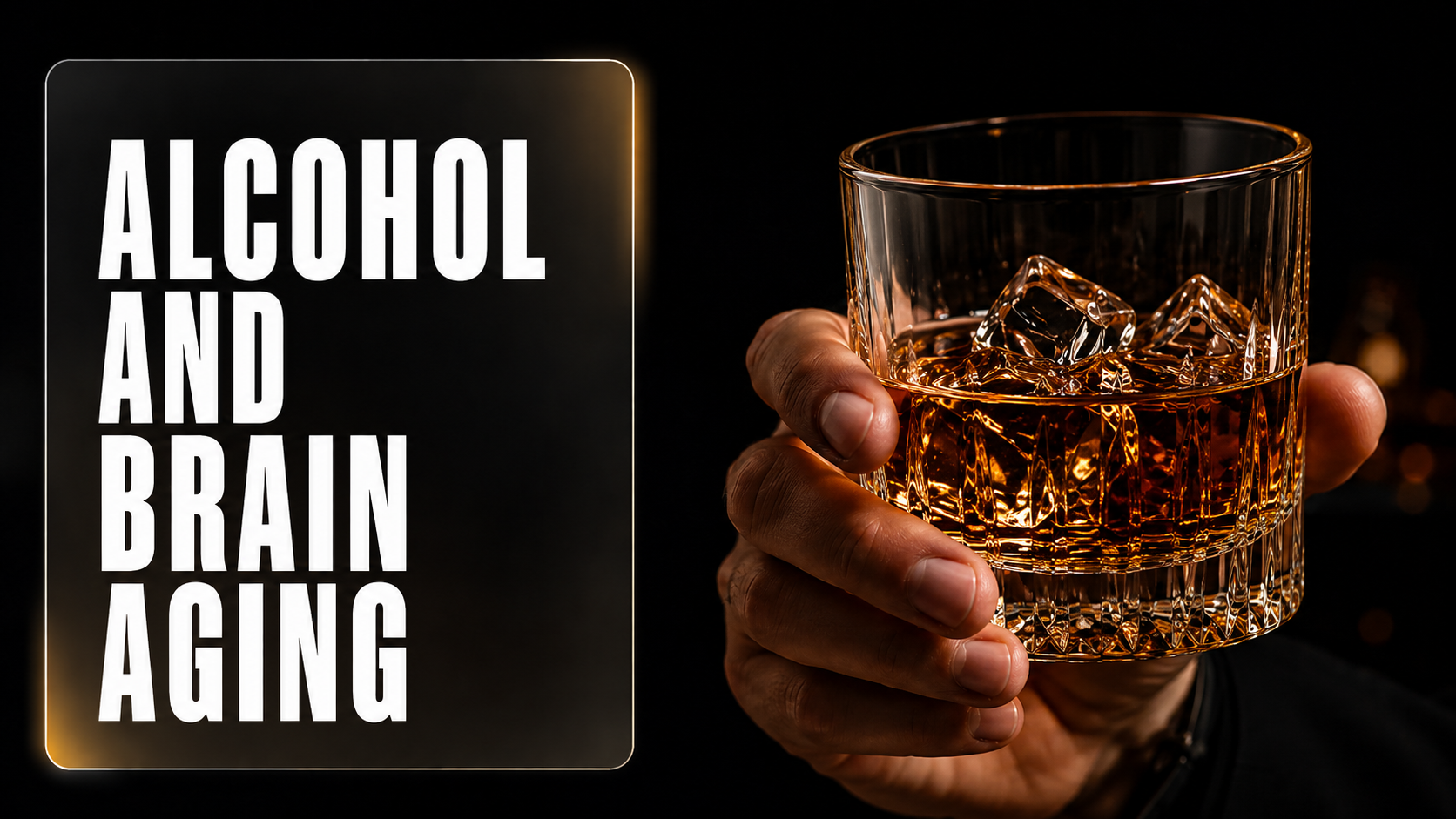
WHO recommendations and the position of neuroscientists do not match.
And this is an interesting contradiction worth talking about.
Alcohol abuse is included among the 14 modifiable risk factors for developing dementia, according to the group of 28 leading global specialists in neurodegenerative diseases.
Frequent alcohol consumption contributes not only to the development of Alzheimer’s disease and vascular dementia, but also causes so-called alcohol-related dementia — a loss of mental abilities caused by long-term and excessive alcohol use.
But what exactly counts as abuse? That is the question.
.png)
Why there is practically a gap between WHO recommendations and neurobiology, as we will see further.
Unlike the connection between smoking and neuron health, the effect of alcohol on the brain is not so clear-cut.
David Perlmutter, MD, neurologist
“Alcohol can be good for the brain. It contains useful antioxidants, helps lower blood pressure, which activates blood flow to the brain, and also helps cope with stress.”
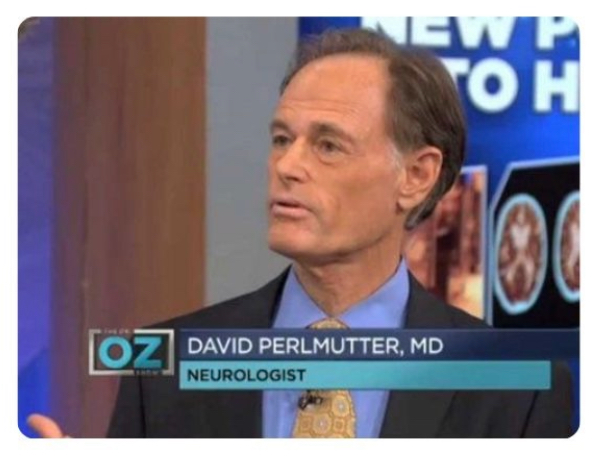
It almost sounds like alcohol is all benefits, doesn’t it?
Especially considering that the quote refers to the prevention of cardiovascular disease, hypertension, and stress — which themselves are among the 14 risk factors for developing dementia.
But context matters.
This is about possible benefits only at minimal doses and only when it comes to dry red wine, rich in resveratrol. This effect is easily cancelled out after the “tipping point.”
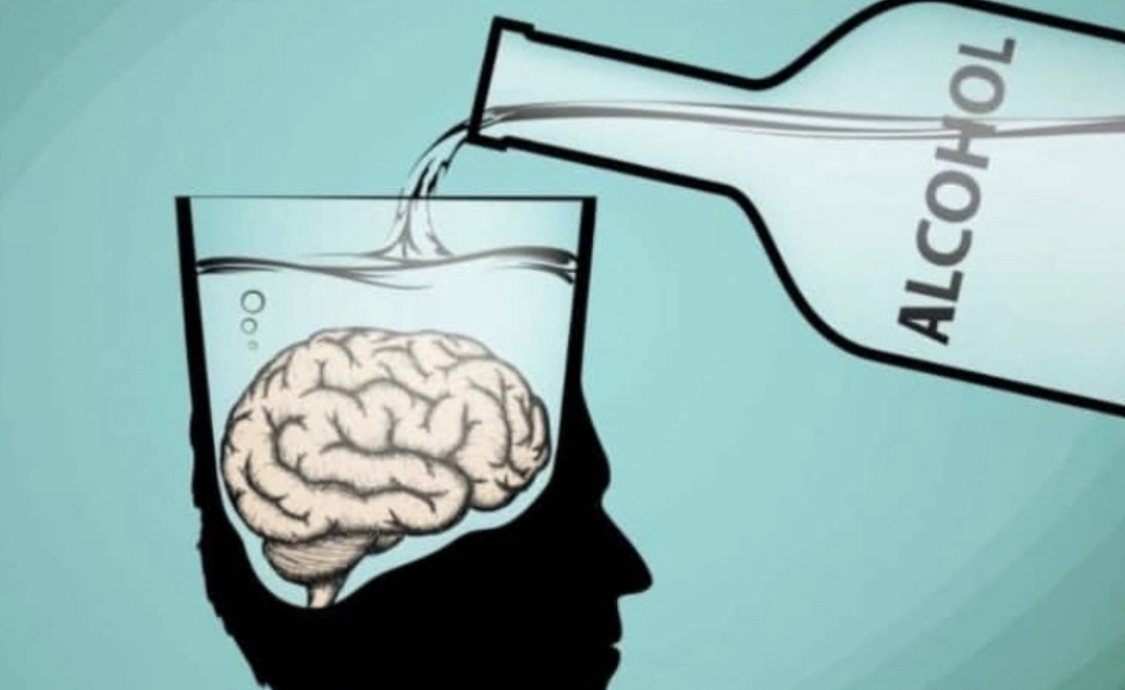
Although...
For example, psychologist Jennifer Wiley from the University of Illinois decided to surprise everyone and published a study in 2012 showing that a few drinks may improve the ability to find creative solutions to problems and increase the chances of looking at things in a new way.
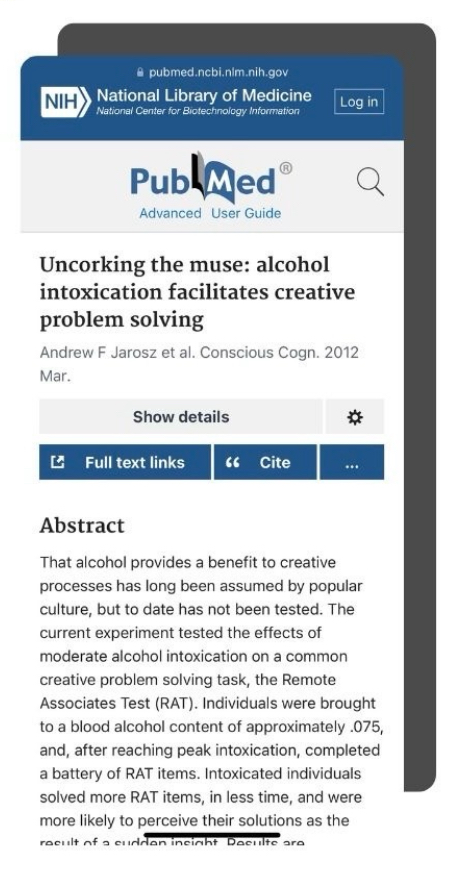
Funny, of course. Creative agencies may want to take notes.
But even here, it is not that simple.
The effect was observed only over a short period of time, while alcohol reduced activity in the prefrontal cortex, which is responsible for self-control.
No long-term improvement in creativity occurs.
With Excessive Alcohol Use, the Opposite Mechanisms Are Triggered
All the benefits quickly turn into drawbacks.
Into the very risk factors for dementia:
- high blood pressure
- cardiovascular disease
- stress states
- depression and mental disorders
How Does Alcohol Abuse Cause Neurodegeneration?
A little biochemistry will not hurt.
Toxic effects of ethanol and acetaldehyde
Ethanol and its metabolite acetaldehyde have a direct damaging effect on neurons, destroying cell membranes and disrupting signal transmission.
Oxidative stress
Alcohol increases the production of free radicals, which damage mitochondria and neuronal DNA, provoking excessive apoptosis — programmed cell death.
Thiamine deficiency, or vitamin B1 deficiency
Chronic alcohol use worsens the absorption and metabolism of thiamine, which can lead to Wernicke’s encephalopathy and Korsakoff syndrome, causing cognitive impairment and memory loss.
Inflammation
Alcohol hyperactivates microglia, which triggers excessive cytokine release. This causes chronic neuroinflammation and neuronal damage.
Impaired neuroplasticity — because of course, where would we be without it.
The synthesis of neurotrophic factors such as BDNF, brain-derived neurotrophic factor, is suppressed, which worsens the recovery and adaptation of the nervous system.
These processes accelerate the death of neurons, leading to brain atrophy, especially in the hippocampus and frontal lobes, which is associated with cognitive impairment and dementia.
So there we have it. Clearly, alcohol harms the brain more than it helps.
And if you systematically drink above the “recommended dose,” which we will talk about next, that is an even cleaner shortcut straight into dementia’s arms.
Unless one of the classics gets there first: cancer, cirrhosis, stroke, heart attack, and so on down the list...
So, What Is Allowed?

Well, WHO, for example, recommends drinking
No more than 21 units of alcohol per week.
168 grams of pure alcohol.
Converted into drinks, that is:
- 4 liters of beer
- 1.2 liters of wine
- 250 ml of vodka, whisky, or cognac
How does that make you feel?
For neuroscientists, apparently, this sounds like an invitation to a drinking session.
Let’s See What They Say.

David Perlmutter, whose optimistic quote appeared at the beginning of this post and may have given someone false hope, believes:
“No more than 1 glass, only red wine, and no more than 1–2 times a week.”
Neuroscientists David Eagleman and Antonio Damasio are even more radical:
“Even 1 glass of wine per week may already be capable of triggering neurodegenerative processes.”
So why such a difference in opinion?
The Conflict Between WHO Recommendations and Neuroscientists Is Easy to Explain
I wrote about this difference in approach in the article about three dementia risk factors that did not make it into the official list.
- WHO has to take into account the balance of existing social and economic norms and mass consumption.
- Neuroscientists look at pure science and see the harm caused even by small doses.
Personally, I am inclined to listen to the people who study the brain.
Because the economy can be repaired. The health of neurons is a different question...
One More Important Thing Before the End.
Alcohol has a very strong effect on sleep.
And I have already written, in the article “Dementia or Sleep,” that sleep is the foundation of a healthy brain, and its absence is a direct road to cognitive decline.
Yes, sleep may come faster when you are intoxicated, but it is poor-quality sleep.
Alcohol also relaxes the throat muscles, increasing the likelihood of snoring and obstructive sleep apnea, which lowers blood oxygen saturation and, in turn, harms the brain.
So going to bed drunk is a bad idea.