You know, one thing has always amazed me: how can the brain not just adapt, but literally reinvent itself?
In this article, I want to share not only some surprising facts about brain adaptation.
But also show how to use this remarkable ability to develop memory.
For example, how to push your natural “involuntary” memory to its maximum.
Without mnemonics, association tricks, and other “crutches.”
Natural memory is the source of our true potential. Why is it stronger than memorization techniques — and how can we develop it?
A Civil Servant Accidentally Found Out He Was Living With 10% of His Brain
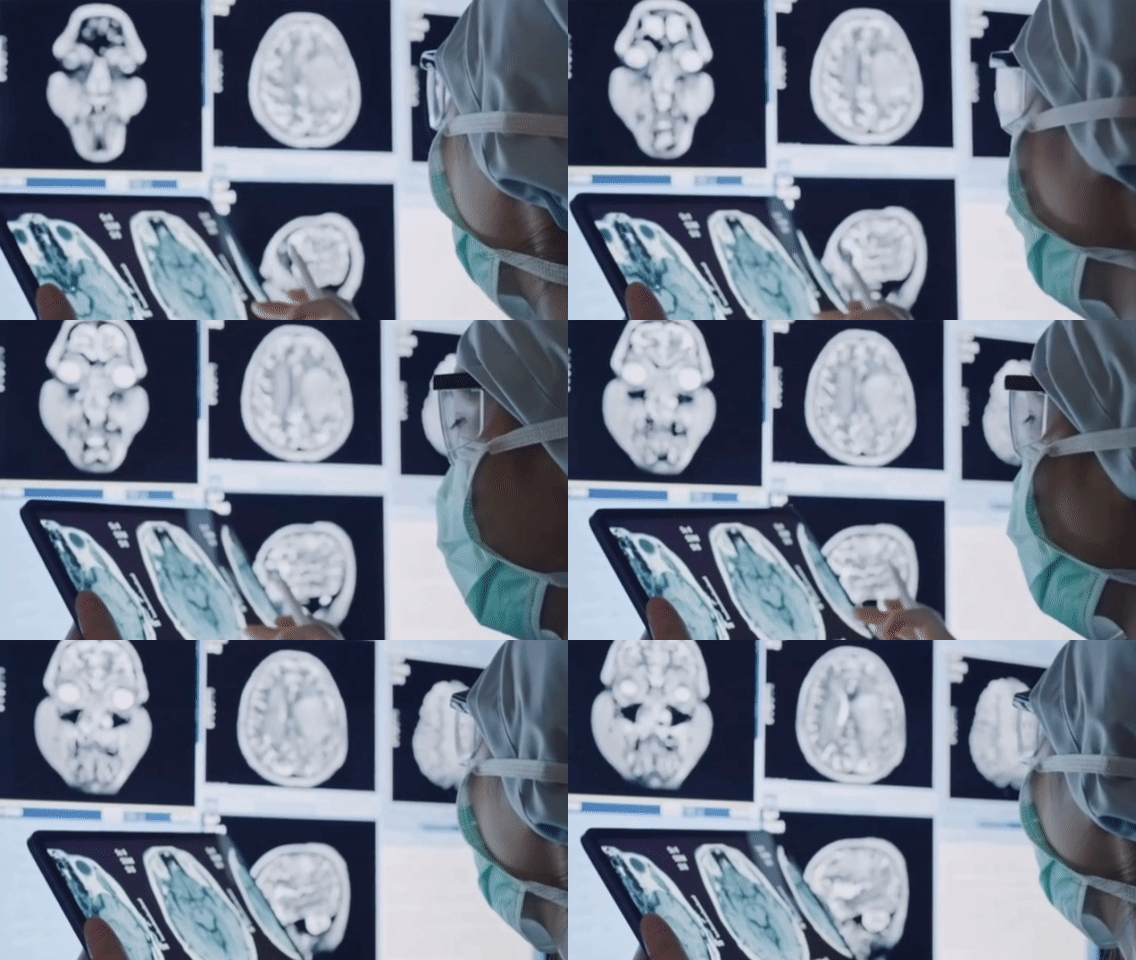
A French man, 44 years old, married, two children, working as a civil servant.
He went to the doctor complaining of mild weakness in his left leg. During the examination, it turned out that 90% of his brain was filled with cerebrospinal fluid.
The inner part of the brain had been almost completely destroyed, leaving only a thin outer layer of functioning brain tissue.
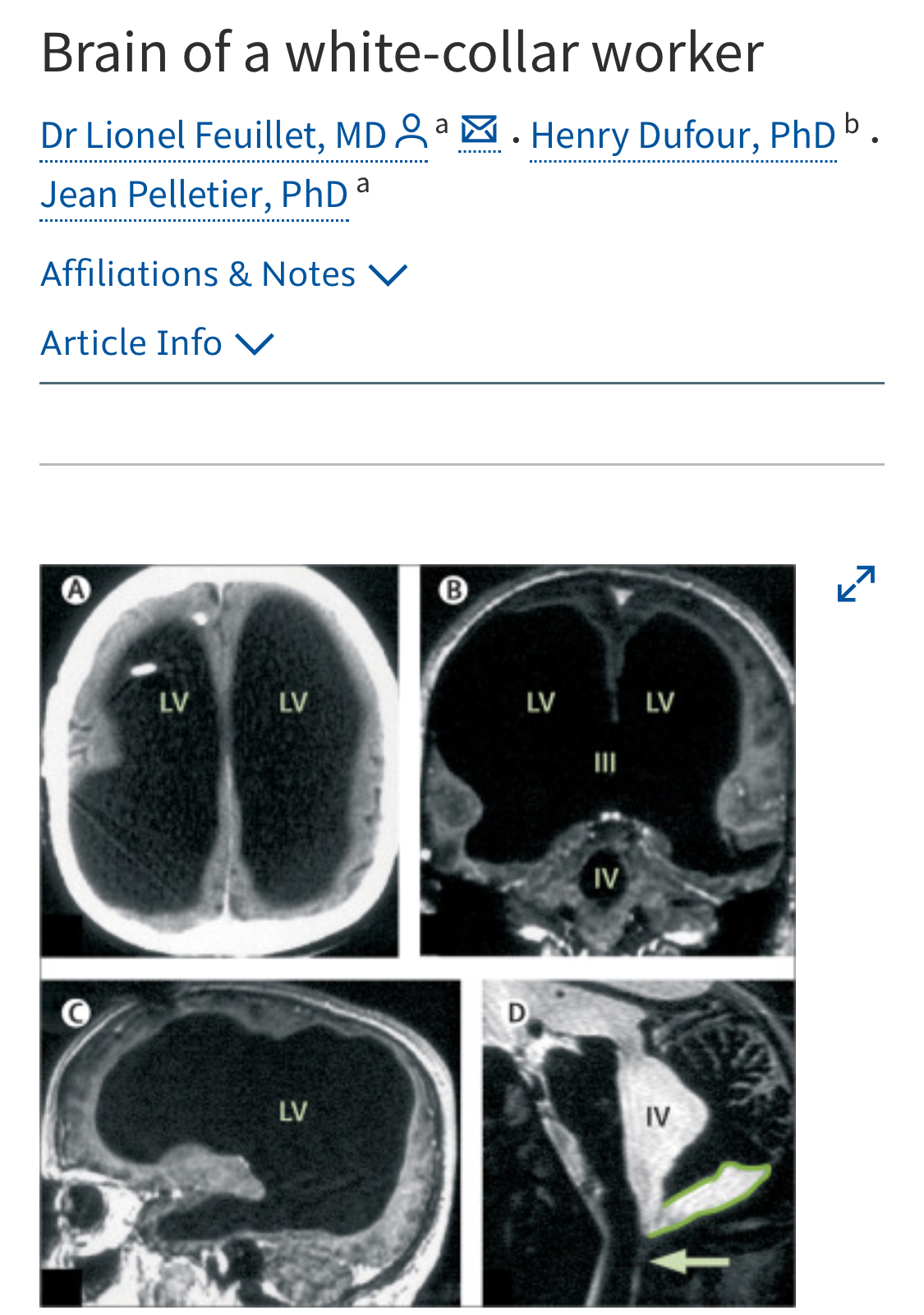
How was he even alive and mentally sane?
The point is that the brain is astonishingly adaptive.
Even with significant damage, as in the case of this French “lucky man,” the remaining neurons reorganize themselves, take over lost functions, and create new connections.
This is possible because the brain is not a set of rigidly fixed modules, but a flexible network.
When one area suffers, others can take over its tasks, including speech, memory, and movement.
The key takeaway: the brain can develop certain areas to an incredible level, compensating for losses and supporting normal life even under extreme conditions.
At 24, a Woman Found Out She Had No Cerebellum
A young Chinese woman, married, with a daughter.
She went to the doctor complaining of dizziness.
The examination showed: no cerebellum.
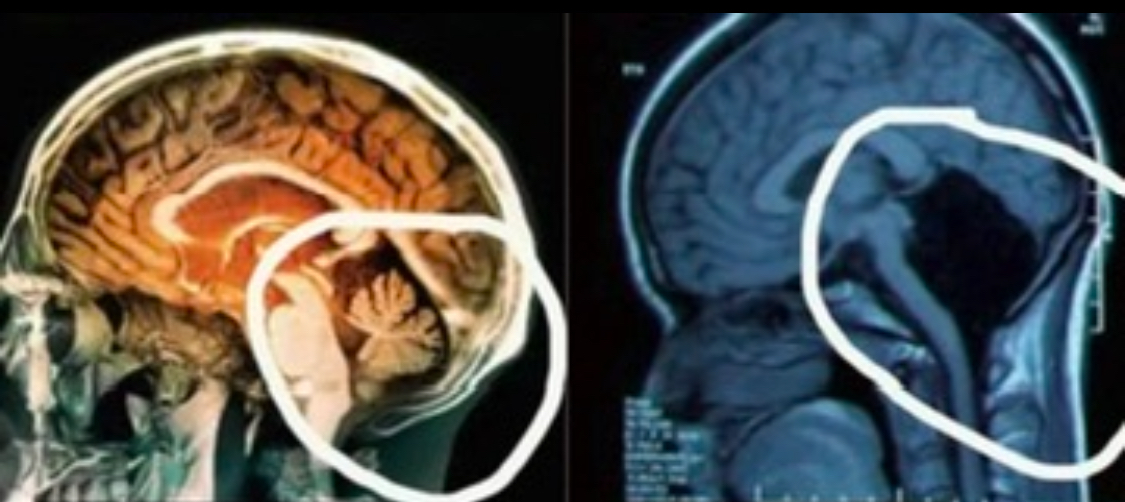
Left: cerebellum present.
Right: no cerebellum.
The cerebellum is often called the “little brain.”
It is responsible for movement coordination, balance, and muscle tone.
With severe damage, a person may be unable not only to walk or stand, but even to sit.
And in general, from a medical point of view, life without a cerebellum seems unthinkable.
Her case was already the 9th officially confirmed one.
Or Another Example — London Taxi Drivers
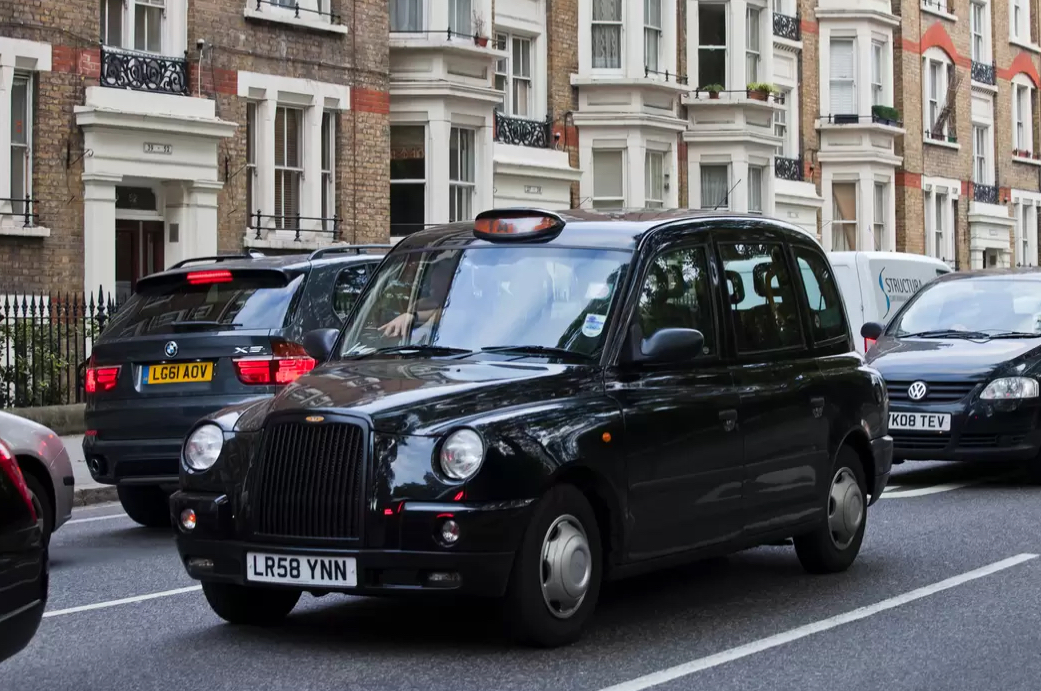
Studies found that they have a hypertrophied hippocampus — the area of the brain responsible for memory.
The reason is that they are not allowed to use navigation systems, so they undergo special training to memorize thousands of streets and routes.
Intensive practice in memorizing information and using it from memory leads to an enlargement of this brain area.
Obviously, for a Human Being, Brain Function Is the Total Priority
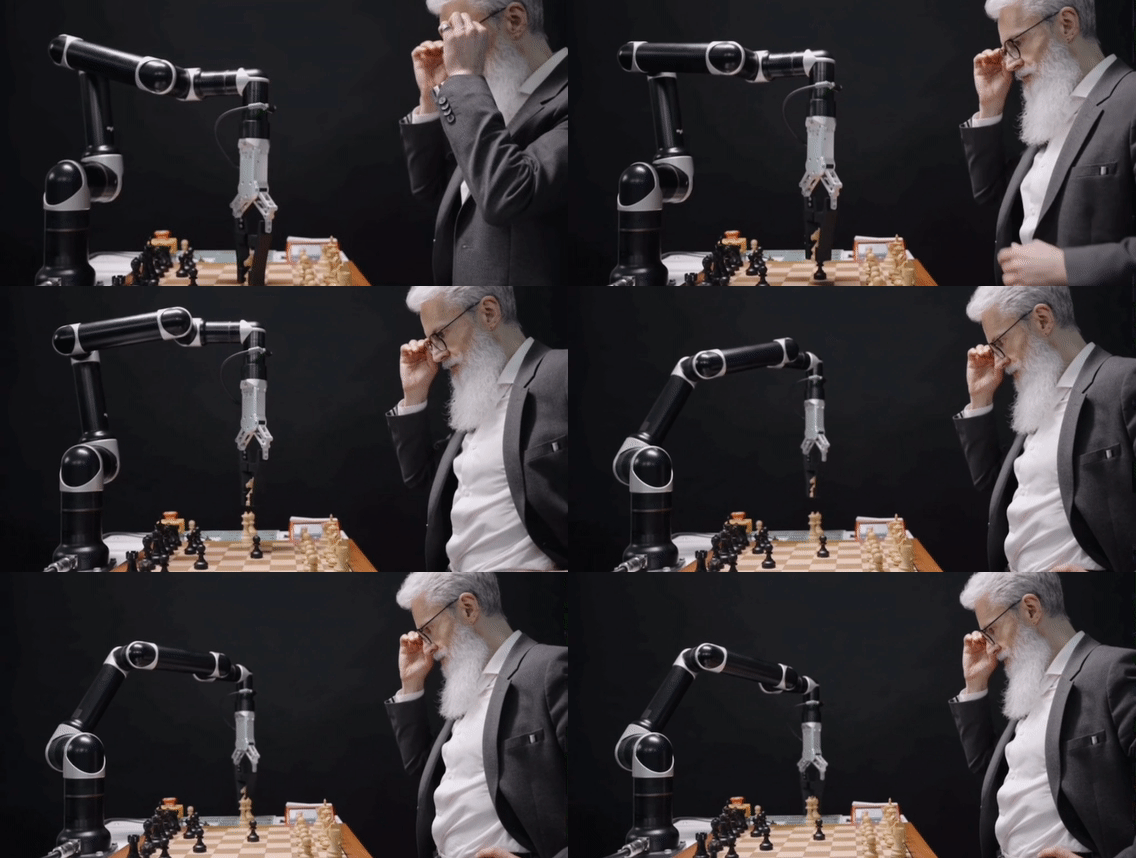
That is why everyone wants their head to work well.
For their cognitive functions to be stronger.
How else can you:
- become more successful in your field
- move faster in your career or studies
- earn authority and more money
- express yourself and stand out from others
Memory Is the Foundation of Human Intelligence
Without it, thinking, attention, and imagination lose their meaning.
That is why I consider it so important to explain:
- What neurobiology calls “involuntary memory”
- Why it can be considered “real”
- And how to unlock it
This is easy to understand through the difference between:
- voluntary memory
- involuntary memory
Voluntary Memory
Need to memorize the word amphibrach — a poetic meter?
Easy. Through the association between “amphibian” and “bra,” imagine a frog in a bra.

And yes, you can also memorize 100 foreign words in 5 minutes, a list of historical dates, and prepare for exams.
But are you ready to create mnemonic chains for everything that interests you, everything you see, feel, or notice?
New ideas from a great podcast, the plot of a film, a book, phrases, facts. Even if you simply need to remember what you did last Wednesday evening?
This is how the brain turns into an absurd labyrinth.
The method of loci, mnemonics, association techniques — these are quick fixes, useful tools, tricks.
But they have nothing to do with true memory.
So, you have probably already guessed.
Voluntary memory is when we force ourselves to remember something.
For example, when the word methoxychlorodiethylaminomethyl-butylaminoacridine, a biologically active substance, somehow needs to be encoded in your brain.
And the association method would be appropriate here.
But this kind of memory is like an old wardrobe: to find what you need, you have to rummage for a long time — and there is no guarantee you will find it.
Involuntary Memory
You have definitely met people who amazed you with their erudition. And it was far from always connected to formal education.
They connect everything on the fly: juggling facts, details, and unexpected links.
Their memory works like an archivist, packing the right information exactly where they can easily retrieve it.
The brain serves it up at the right moment, like the perfect seasoning for a dish.
This is true, “healthy” memory.
It works on autopilot in the background. It is multitasking and flexible because the brain is tuned for attention, curiosity, and active perception of the world around it.
Of course, this does not mean remembering every single moment of your life.
That is no longer a superpower. It is a painful condition.
Like Solomon Shereshevsky.
Solomon Shereshevsky remembered literally EVERY event of his life.
A gift? No.
He could not forget them. Ever. His life was torture.

Diagnosis: hyperthymesia.
He had pronounced psychological difficulties: because of his hypertrophied memory — hypermnesia, or excessive memory — he could not forget unnecessary information. He suffered from overload by images, difficulty with abstract thinking and concentration, and all of this interfered with normal life.
Natural Healthy Memory Is Balance
We do not have to remember everything, but we can develop our ability to automatically remember what is important and useful.
So why does memory work like a Swiss watch for some people, while for others it stalls even on small things?
If memory problems are not yet connected to neurodegenerative processes, which can mature in the shadows for years before showing themselves, then the answer is simpler than it seems.
It all comes down to a specific group of skills.
These skills simply need to be installed properly, like a software update.
And it is enough to spend serious time once on setup and calibration — and memory will start to “fly.”
For True Memory, the Brain Must Be Trained in 4 Key Skills
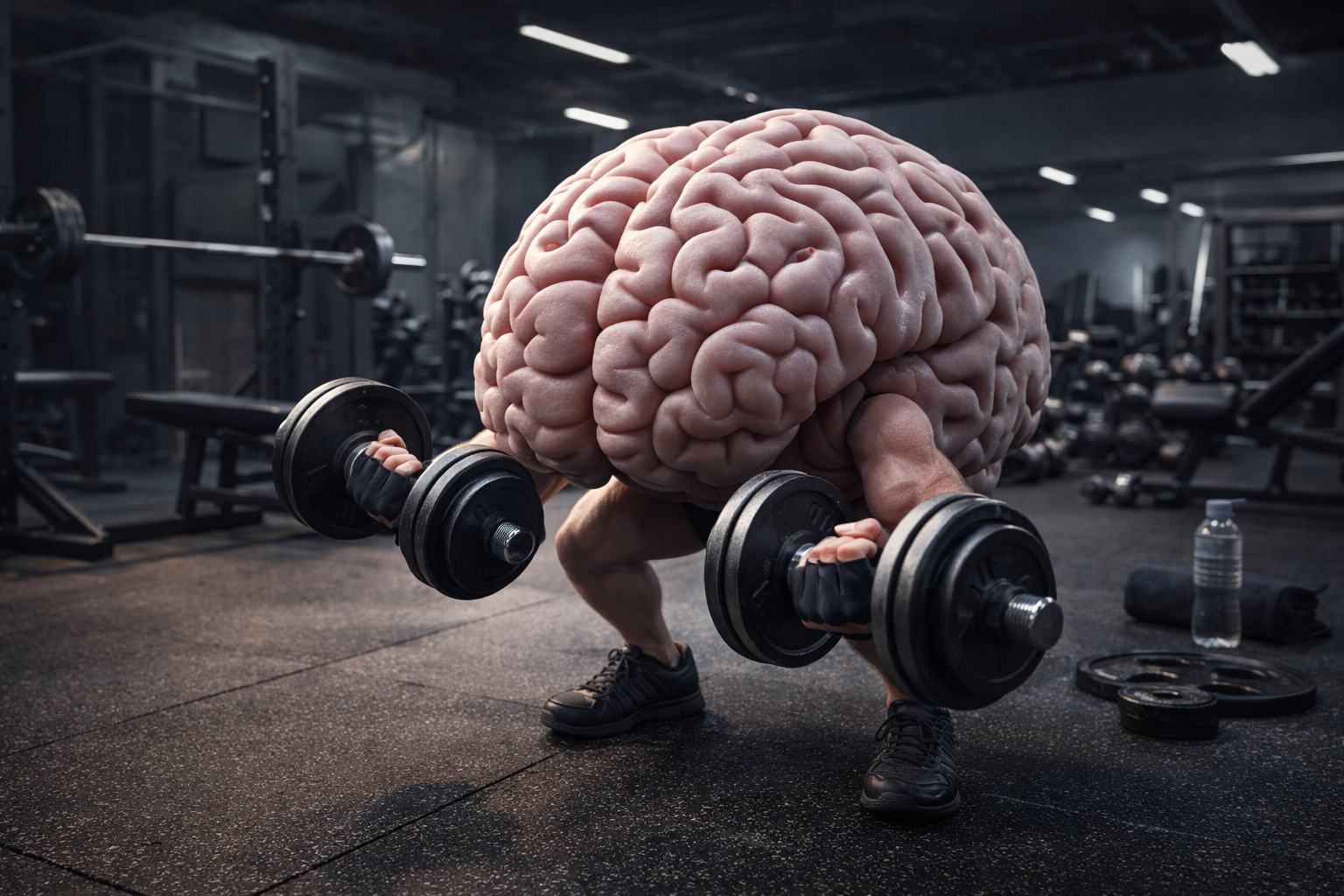
Before we move on to which skills are needed for involuntary memory to work at full power, I want to say this.
I’ll be honest: it is very difficult to integrate these skills into life on your own.
Soon, in this app, we will launch all the trainers from the “Master Memory” project. Inside it, you will be able to train all 4 skills and get a real result — a fundamental improvement in your memory.
Details will come separately in the update newsletter.
The First Skill
Attention, presence, and curiosity.
This is the foundation. A brain that knows how to automatically focus on what matters is open to the new.
Presence — living in the moment — strengthens concentration, while curiosity awakens our reward systems.
The Second Skill
The ability to automatically “package” information correctly.
The way you store it is the way you will retrieve it.
Memory can work like a well-organized archive: if the files are placed correctly, they are easier to find.
By activating the hippocampus, this approach helps it move memories into long-term memory.
The Third Skill — Retelling
Have you noticed that when you know you will have to explain something to someone else, you listen and watch differently?
In those moments, the brain works ahead of time.
A special mode of attention switches on.
It starts estimating how to connect the meaning of the information and the details so they can be passed on.
People who love telling stories and know how to do it have excellent memory precisely because of this. Not the other way around, as one might think.
The Fourth Skill — Intention
Holding your intention on the “inner target” long enough to practice these techniques in real-life situations.
Practice turns your effort into a habit for the brain.
And what first required conscious control becomes automatic.
Memory begins to work on its own, because you have shown it that this matters.
If you would like to develop the 4 skills of your true natural memory, you will have that opportunity.
Stay tuned for updates.